
Maybe you want to launch a business. Maybe you want to turn a hobby into something more. Or maybe you have a creative project to share with the world. Whatever it is, the way you tell your story online can make all the difference.
Don’t worry about sounding professional. Sound like you. There are over 1.5 billion websites out there, but your story is what’s going to separate this one from the rest. If you read the words back and don’t hear your own voice in your head, that’s a good sign you still have more work to do.
It all begins with an idea.
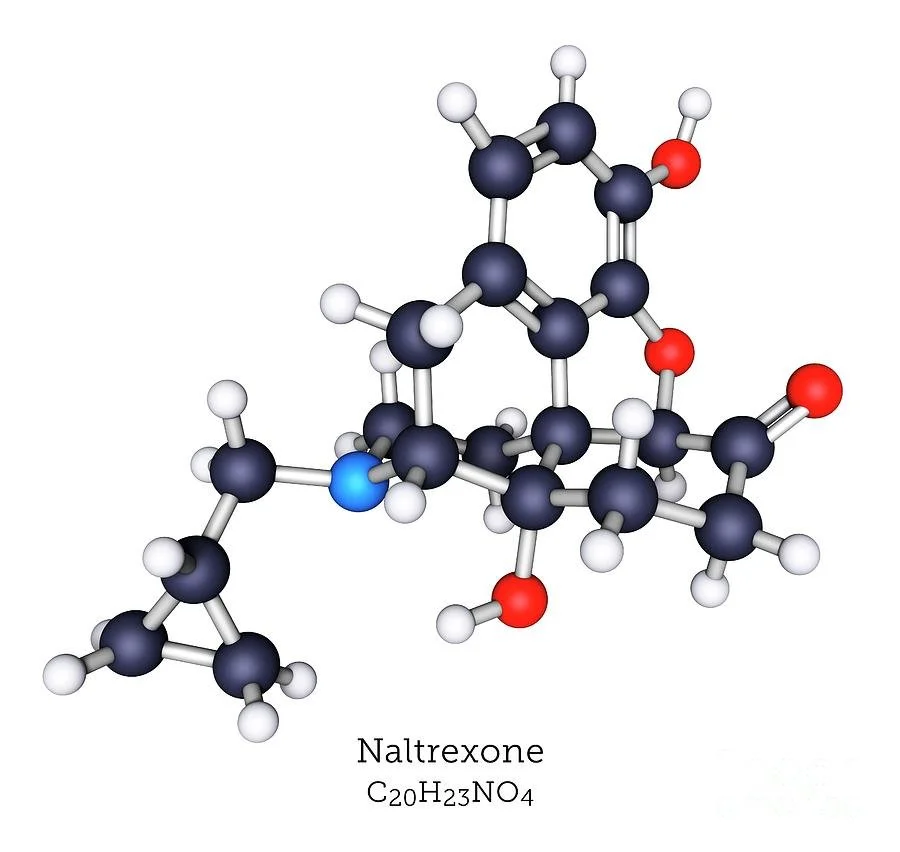
One need not look too far to see advertisements for pharmaceutical use that promises to allow controlled drinking for those who are concerned about their drinking. We thought it important to comment as part of our effort to expand and enhance understanding of alcohol and other drug use, abuse and addiction.
The early evidence is that the use of these drugs can have a positive effect on the frequency and amount of alcohol consumption although in the studies we researched the success rates were enhanced when combining pharmaceutical use with other supports such as twelve step programs or CBT.
We have recommended in the past that success rates through programs insisting on strict abstinence from day one are too low to suggest that we should not try and research other treatment methods. Our sense of these new businesses and pharmaceutical intervention programs is that one may find success by combining pharmaceutical use with other psychosocial supports.
However, we think that once the addiction threshold has been breached abstinence is remains the best approach and that, regardless, the stakes are too great to recommend controlled use in this fashion. This is even more rational given that alcohol and cannabis use are far from the norm in America today. When near half of Americans did not use alcohol in 2025 and 16% use cannabis recreationally, abstinence is far from unusual.

A recent poll by the Gallup Organization reported that 46% of Americans did not use alcohol even once in 2025; a new low in their 90-year poll. Even we were surprised. We have argued that abstinence as a part of recovery gets a bad rap. Abstinence is not unusual, but where 46% of Americans do not use alcohol it is now the norm. America made dramatic progress in other risk-taking behaviors without prohibition. Driving safety over the past sixty years is one example. Tobacco use is another. Now, at least temporarily, we are experiencing a health trend in alcohol use.

There are many who believe that strict abstinence from alcohol and/or other drugs from the first day of “recovery”, as advised by twelve step communities, is too strict a bar and that this accounts for the low percentages of people with substance use issues who recover by maintaining strict abstinence. A national study reports that perhaps as many as 50% of the people with a self-diagnosed alcohol or other drug issue consider themselves to be in recovery but among them only 20% follow strict abstinence. Exciting and important research. However, we ask in this article why abstinence gets the “bad rap” that it does and whether or not we should reconsider our approach to the consideration of abstinence.
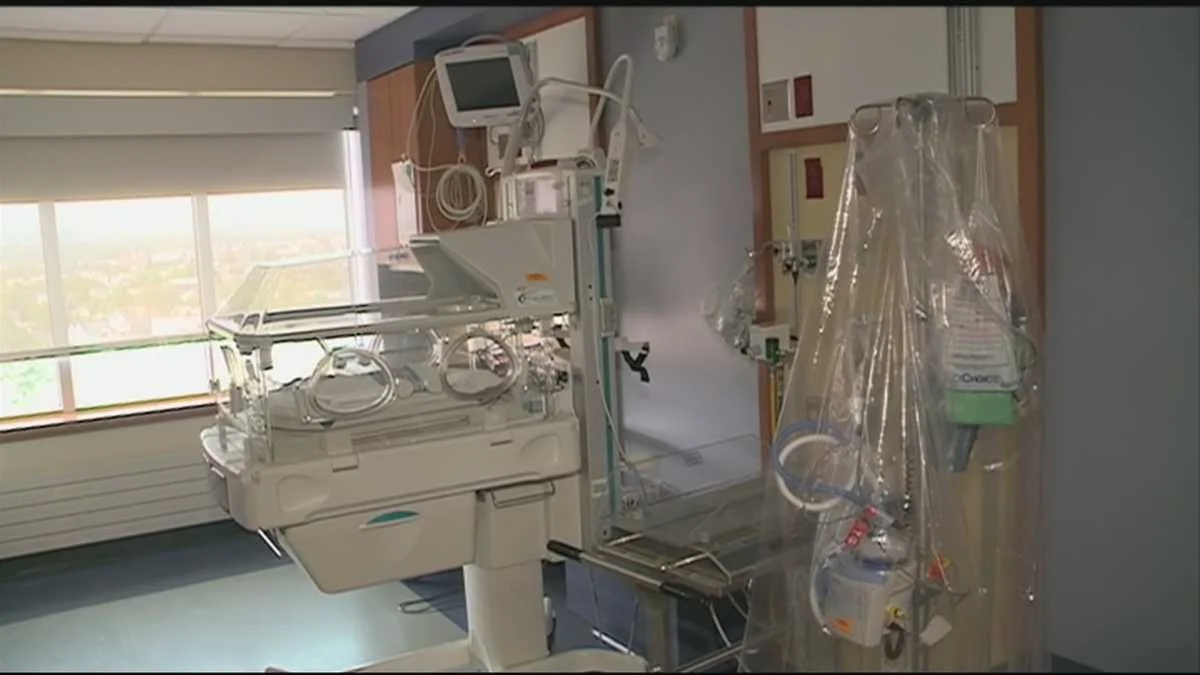
Recently we learned of locations treating pregnant alcohol and other drug addicts closing their services. This results from a short-sighted reduction in Medicaid recently enacted by the Congress. There are many reports assessing the impact of Medicaid changes that will reduce addiction treatment. Estimates are that nearly 85% of the cost of neonatal abstinence syndrome, babies born in drug withdrawal, is paid by Medicaid. This is not surprising as most of these mothers live in poverty either as part cause or result of their drug use. We were reminded of the article we posted in May 2025 that bears reprise here given what is happening with Medicaid. The bill for this inattention to a very serious issue will come due all too soon.
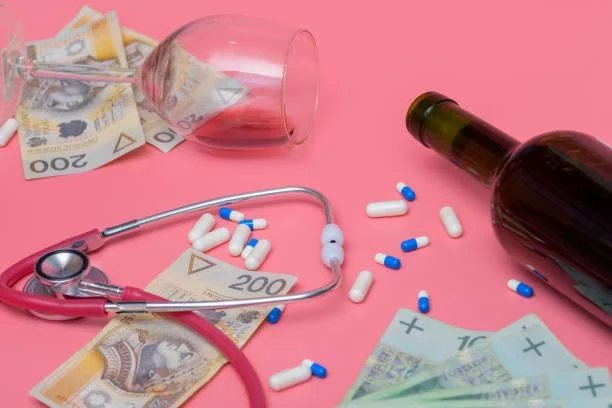
We set out to define the economic burden to America from alcohol and other drug use, abuse and addiction, who pays those costs, who benefits from alcohol and other drug economies. We found that the economic costs were likely in excess of $750 billion and the benefits were likely quite a bit less.
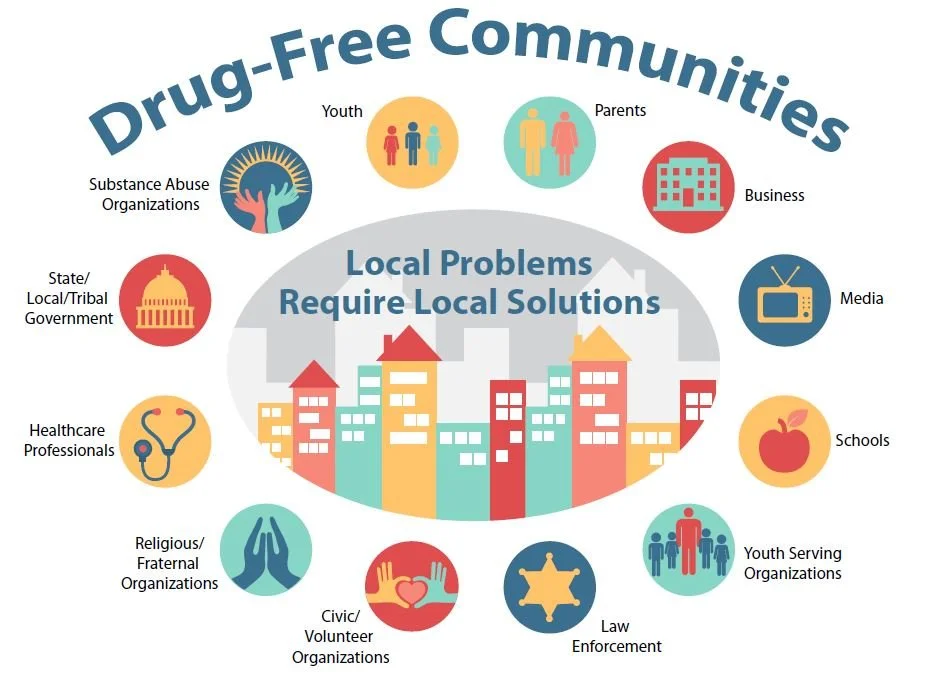
We wondered if this perspective might suggest a different approach to community-based programs to deal with the costs. We found that current efforts focus on those who have traveled far along the abuse and addiction curve and early, education and prevention efforts. The suggestion here is that from an investment perspective we are missing opportunities to identify and influence users and abuser who are not (perhaps yet) addicted. We could reduce the costs on employers, criminal justice, and healthcare by intervening at this juncture as opposed to waiting until so much damage is done.
The focus and programs described here are not intended to demean current efforts many of which have been very successful. Nor do we intend to demean the many professionals actively engaged in current efforts. We do intend to suggest that building coalitions around the economics of the issue as opposed to promoting the moral imperative might allow us to build coalitions and target effective outcomes that we are now overlooking.

Who Benefits From Alcohol and Drugs In America?
We have set out to define the costs and benefits of alcohol and drugs in America. Previously we defined the costs and who pays those costs. Now to defining the benefits. As we did with costs, we describe the personal benefits but did not quantify them for inclusion in any equation. Even we were surprised — the costs outweigh the benefits.
When we wrote that every system is perfectly designed to get the outcomes that it does, and that the implication was that there are benefits that outweigh the costs in that system, we were challenged to define those costs. In our last article we reviewed studies about the total cost to American society. Today we attempt to define who pays that bill
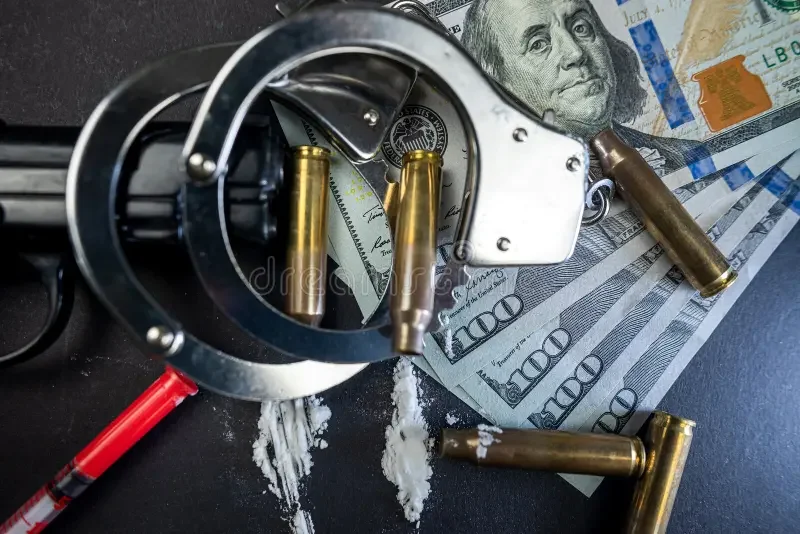
A week ago we wrote advocating a comprehensive, persistent, community effort to address alcohol and other drug abuse and addiction. We noted that these were characteristics that served the nation well in addressing the case of tobacco use and in reducing damage from automobile accidents. When we wrote that every system is perfectly designed to get the outcome that it does, and that we might create a case that the cost of reducing the harm from alcohol and other drug abuse was less than the cost of tolerating those outcomes, we were challenged to further define that thinking. Here is an attempt at the first leg of that approach, the cost of alcohol and other drug abuse in America
Perhaps, like us, you have a certain distaste when people know what will not work but do not offer their own suggestions. We have in the past, and twice recently, critiqued things that in our opinion will not work. Let us not be among those who do not offer our suggestion. Admittedly, there is not much new in our prescription. As you will see, our suggestion is to be comprehensive and persistent.
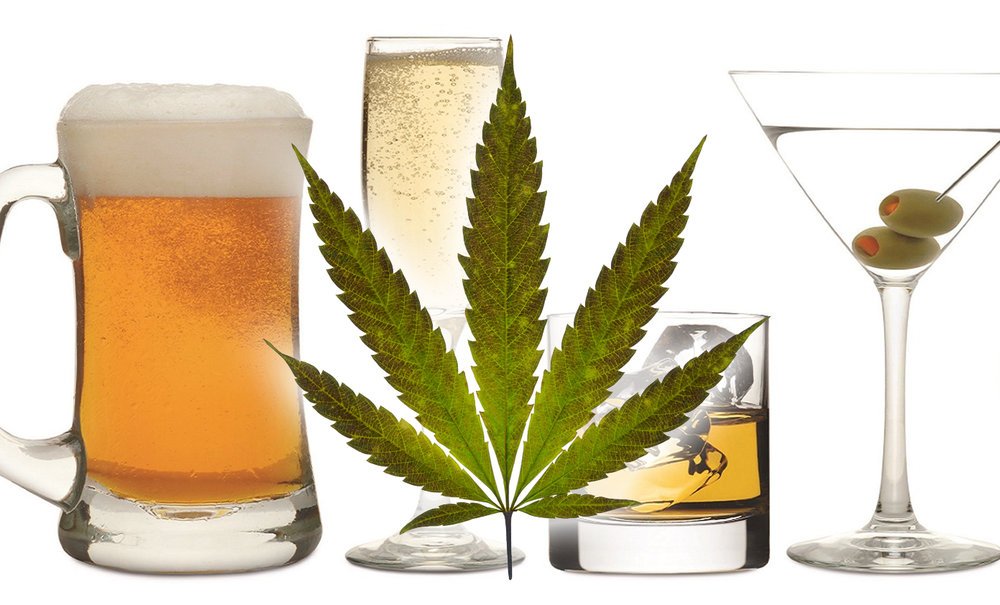
Can people in recovery from their “drug of choice” use other drugs safely? Say marijuana for an alcoholic or alcohol for an opioid addict? The evidence is very strong that this is maladaptive and unsuccessful for most. One might ask themselves, it seems to us, why one is tempted in that direction

Whether or not crime is topmost among concerns by Americans, the President has focused our attention there. He has also defined the solution as greater law enforcement presence. Certainly, pursuing criminals when a crime has been committed is essential. We suggest, however, that we will not police our way out of crime but that attention to the leading causes of crime is required. Alcohol and other drug use, abuse and addiction is one such issue.

President Trump recently called for compulsory treatment for the homeless with mental health conditions including substance use disorder. The evidence does not indicate that compulsory treatment is effective. Further, there are important ethical issues at play. This policy should not be pursued.

Why do we increasingly hear the term Substance Use Disorder rather than addiction? Is there a meaningful difference? The latter term may be more important for the clinician but to the extent that SUD expands our horizons about the extensive damage being done by excess use not just addiction then this term is helpful for us all

Why is it that some people will use alcohol or cannabis, or use a prescription opioid as prescribed, and do so safely, while another person will develop a pattern of abuse and addiction? There is no single, specific cause as we might have for another disease. There is, however, a great deal we do know about the genetic and environmental issues that constitute a “cause”. We also know that there are other schedule 1 and schedule 2 narcotics that are highly addictive and more likely to cause abuse.

To someone not addicted to alcohol or other drugs it is mystifying why an alcoholic or other drug addict would suffer so much pain and continue drinking and using. Domestic strife, job loss, economic ruin, illness, injuries, legal problems, jail, even prison and yet the behavior continues. What does it take? Why does it go on so long?

Your loved one, friend, colleague has found recovery resources and is pursuing their recovery. Finally! Hallelujah! But, wait a minute. This is all new to you. No one gave you a primer on living with someone who abuses alcohol or other drugs or who has become addicted. Now you realize the same is true for recovery. What’s going on for your loved one? What’s going on for you? What is your role in all this? In this article we will review a few thoughts given to family members whose loved one has entered recovery. Importantly, in our view, we will also suggest that you achieve a focus on yourself.
Early recovery is a confusing time. The admonition to “surrender” seems contrary to everything they have known before. Too, fear is a very powerful motivator making it difficult for people to allow matters to evolve beyond their control. Also, trust issues make it difficult to now believe that “letting go” will be an effective strategy. It is very common for those in early recovery to ignore the example of three million people to lease control and, instead, they try to solve the problem their way. Here’s why.

Spend any time with a person in recovery or visit a recovery group and you will hear about “an attitude of gratitude” or about a “grateful recovering addict/alcoholic/gambler. It seems incessant. Why all this gratitude?
In this article we explain the roots of gratitude in recovery, the benefits, the practice, and how peer recovery reinforces this pillar or recovery.

Although use of the term denial from a behavioral health perspective has entered everyday lexicon, the meaning of the term is not well understood. As part of our attempt to create a greater awareness, in hopes of more effectively addressing this national problem, in this article we attempt to define that term as it applies to substance use disorder.
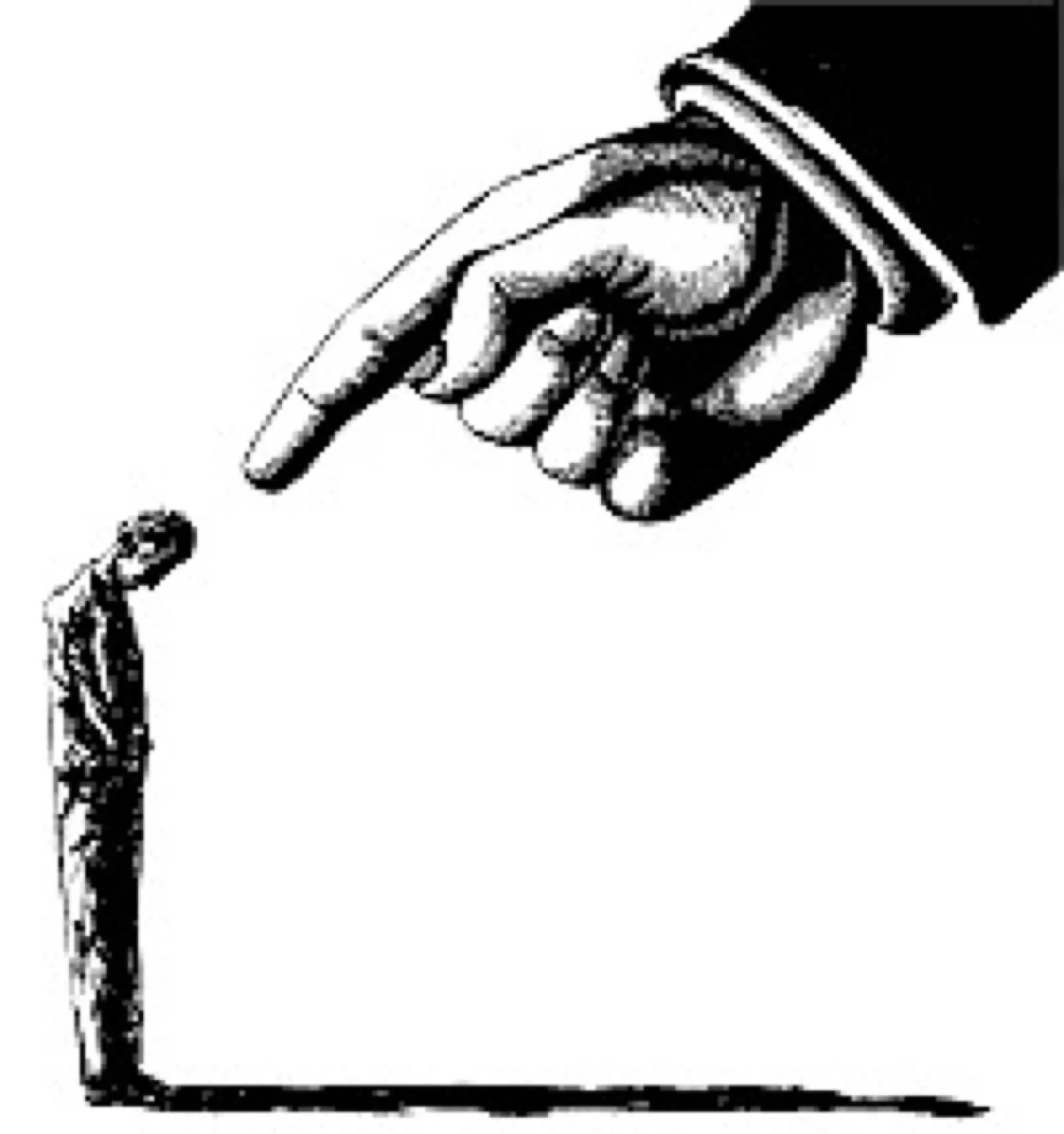
After the very initial experiences with recovery it seems inevitable that the individual will be overwhelmed with those memories of bad behaviors that occurred during active use. Most often these are feelings of guilt but sometimes they involve feelings of shame. While we have all experienced guilt, and many have known shame, there are factors that make these issues more acute for the person newly recovering from active abuse and addiction. Continuing recovery may well depend on how the individual negotiates this stage of recovery. To be certain, there are cases of shame becoming toxic and that requires attention from a specialized clinician. In this article we discuss how recovering people negotiate guilt and shame.

Several long standing factors contribute to people with behavioral health conditions including substance use disorder, and their families, feeling outside the mainstream, even unique. This perspective actually works against treatment and recovery as individuals avoid the very tools that would help them.
Of course, they are not unique. SUD is a disease not unlike other behavioral health and physical disease such as type 2 diabetes and cardiopulmonary disease. 40 million Americans suffer from SUD. Further, people with stressful if less permanent situations also exhibit this withdrawal from the very tools that would help them manage their situation. Uniqueness as a self orientation is not unique to people with SUD and their families.
In this article we encourage the SUD sufferer and the codependent to abandon this self perspective and find treatment and recovery.

Is caffeine addictive? Can it be harmful? Our original premise has been that America does not understand its drug problem and that until we do we will not solve it. We have attempted to expand our awareness and understanding. Today we discuss caffeine. 90% of Americans use caffeine. Here we discuss the safe uses and those harmful effects and when they may evidence.

Is there value to those AA (and NA, GA, Al-Anon etc.) meetings? If so, how does it work? Why does it work? Study after study discuss that these peer group meetings make a substantial difference. Here we discuss what those meetings are like and why they work.

Last week we discussed our friend “Bob” and his realization that there are recovering people all around him and that he been previously unaware. We wondered why it is that we have a general awareness of early recovery but know much less about mature recovery. This week we discuss what long term, mature recovery looks like. The reason Bob does not know about his friends and colleagues is that they have successfully treated this chronic disease substance use disorder.

Most of us work, play, and worship alongside someone in long term recovery and we do not know it about them. It is very common for us to realize that someone is in the early stages of recovery so why do we not know about those in long term recovery? They were once those in early stages after all. This begs the question of what mature recovery looks like. Lets get there through two steps. Today, what are the precedents that cause people to be cautious about declaring their recovery status? Why do we know much more about early recovery yet less about mature recovery?

First attempts at recovery from substance use disorder often result in relapse. This is devastating to the addict and to their loved ones. However, relapse is a part of treatment for chronic diseases and not just substance abuse but type II diabetes, heart disease, and asthma. While we do not think that one should just accept relapse, it is also not the end of recovery but for many the beginning of reinvesting in recovery.
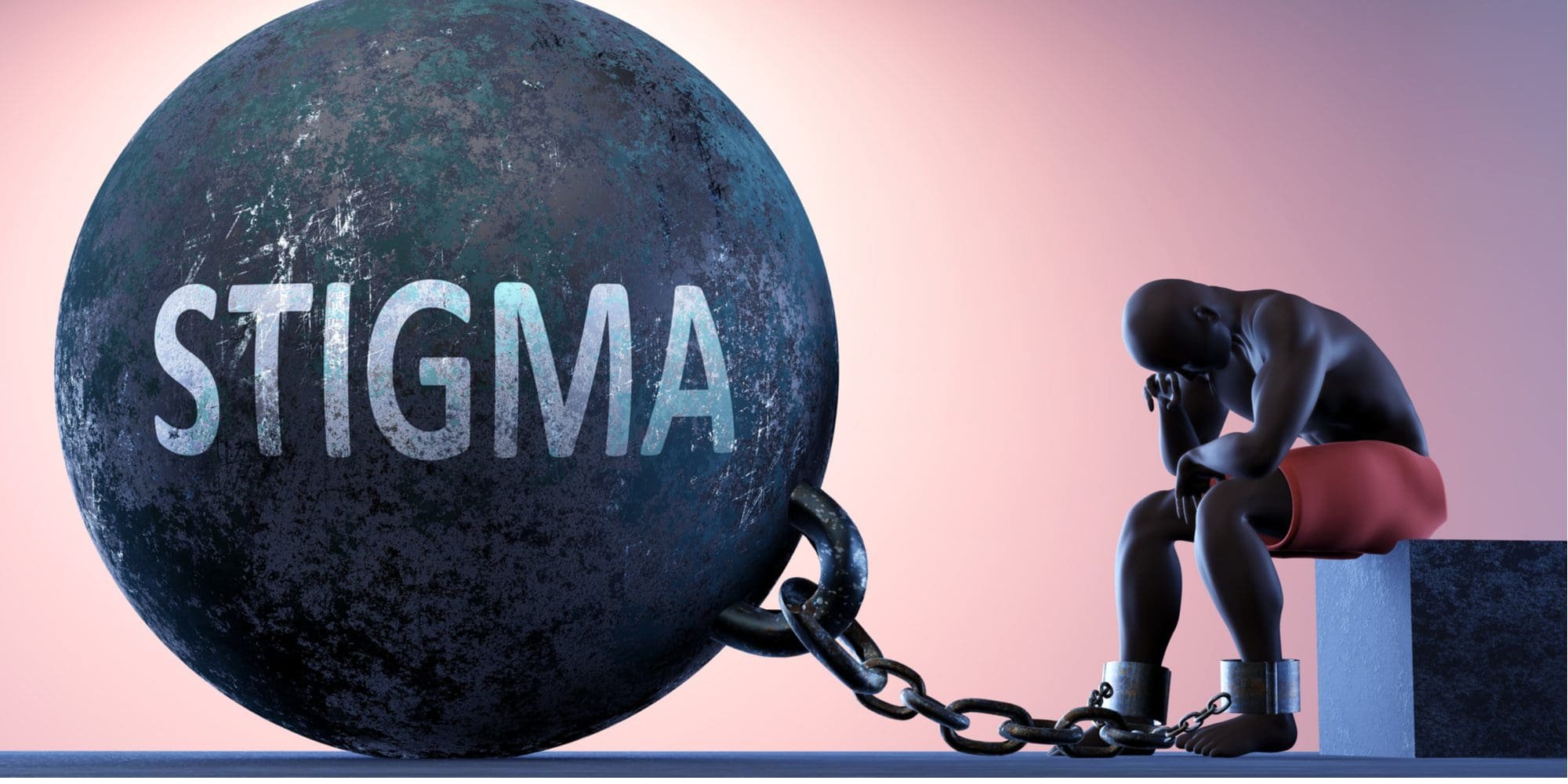
After 200 years of discussing substance use disorder in moralistic terms, and seventy years after the American Medical Association declared addiction a disease, we might think that these stigmas are gone. Sadly, remarks from very public people show us that we are wrong. Thinking of addiction as a moral failing continues. This stigma exacerbates the problem by retarding treatment. It is well time we got over this stigma
The double stigmatization of women with a substance use disorder continues to serve as a barrier to recovery for millions of women in America. Certainly, progress has been made since the relapse of Marty Mann, the “first lady of AA” seventy years ago as reflected in the popular, recent sitcom “Mom” about a mother and daughter in recovery struggling with sobriety as well as family, relationships, employment and more. Progress has certainly been made regarding stigmatization of behavioral health issues in America regardless of gender. Nonetheless, stigma, and the double stigmatization faced by women with a substance abuse issue in America remain a significant impediment to seeing more Americans achieve recovery.